




A sunny forecast might make the mountains and trails even more tempting, but heat can catch people out quickly. And while we're all for making the most of it, hiking in hot weather comes with a few challenges we don’t often have to think about.
Dehydration, heat exhaustion and heatstroke are all real risks, even on shorter walks, so it's worth taking a few extra precautions before heading out.
We’ve pulled together a guide on staying safe, while still making the most of the good weather, with tips from our community and ambassadors.
Choose your route wisely and plan ahead
Just because you can do a long hike doesn't mean today is the day. If you're heading somewhere unfamiliar, maybe save it for another day. The heat adds another layer of difficulty, and it's always easier to manage a route you know well.
Consider your timing. Head out early in the morning or later in the evening where possible and avoid the hottest part of the day.
From ambassador April
“Plan your route around the conditions. On very hot days, choose shorter routes, look for shaded sections or woodland where possible, and don’t be afraid to turn back or shorten a hike if the heat is affecting you”
Know the warning signs of heatstroke
If you start feeling dizzy, sick, unusually tired, confused, agitated or develop a headache, please do not ignore it. These can all be early signs of heat exhaustion and, if left untreated, heatstroke.
Find shade if you can, sit down and cool yourself off. Wet your hat, shirt or buff and place it around your neck, wrists or over your head. Take small sips of water, have something sugary to eat and take an electrolyte if you have one.
If you're still feeling unwell after around 10 minutes, or your symptoms are getting worse, it's time to call for help. No summit, viewpoint or Strava record is worth risking your health for!
Hydrate, hydrate, hydrate

Staying hydrated starts long before you leave the house and head on the trails, so it’s always best to be prepared.
Drink lots of water before you head out and avoid too much alcohol or caffeine the night before if you can. Aim to bring plenty of water (around 2 litres for most hikes in this heat, depending on your distance).
Rehydration salts or electrolyte tablets can make a huge difference when you are sweating a lot too, so it’s always good to have some on hand.
From Ambassador Aisling:
“Hydration is key! It's not enough to just bring a bottle of Lucozade or other sports drink on a hike in this heat. I always have a dioralite in the morning before I leave, make sure I have some on the trail to take and bring 2 litres of water with me.”

Fuel your body
It's easy to forget to eat when it's hot, but your body still needs fuel.
From ambassador April:
"Fuel properly. Many people focus on water but forget to eat and sometimes it’s harder to eat in the heat. Regular snacks help maintain your energy levels, especially during longer hikes in hot weather."
Pack plenty of snacks - things like fruit, nuts, bars or sandwiches are easy to carry and will help keep your energy levels up!

Protect yourself from the sun
One thing many people don't realise is that the sun can actually be stronger in the mountains. As you gain height, UV exposure increases because there's less atmosphere filtering the sun's rays. For every 1,000 metres you climb, UV levels increase by around 12%. Even if it doesn't feel scorching, your skin is still being exposed.
Top tip from ambassador and ecologist Aisling:
“If you're planning a dip afterwards, put your suncream on around an hour beforehand to give it time to absorb properly. Otherwise it just becomes a pollutant in the water and these chemicals can disrupt the hormones of freshwater fish, harm aquatic plants, and accumulate in the sediment, threatening overall local biodiversity!”

Dress for the conditions
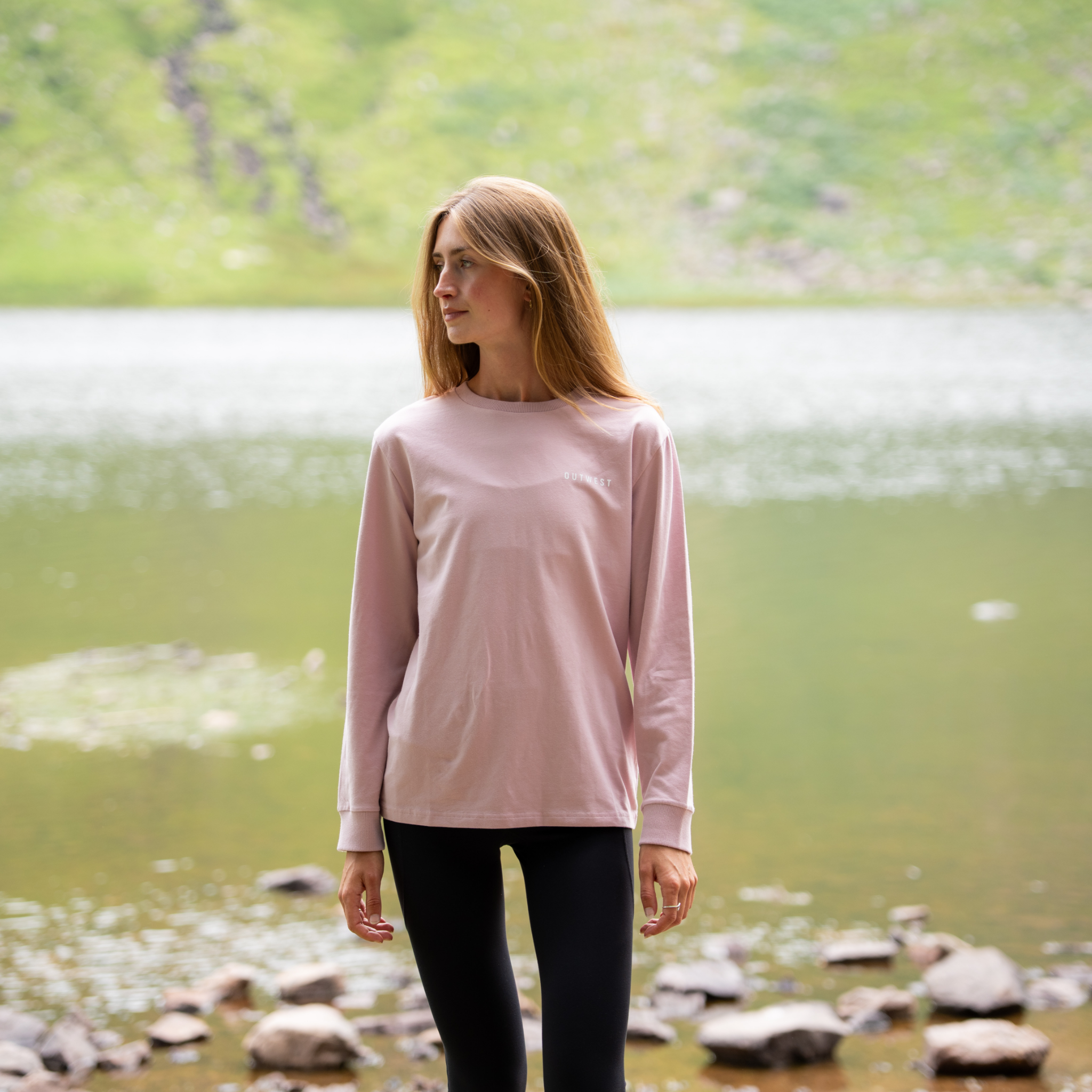
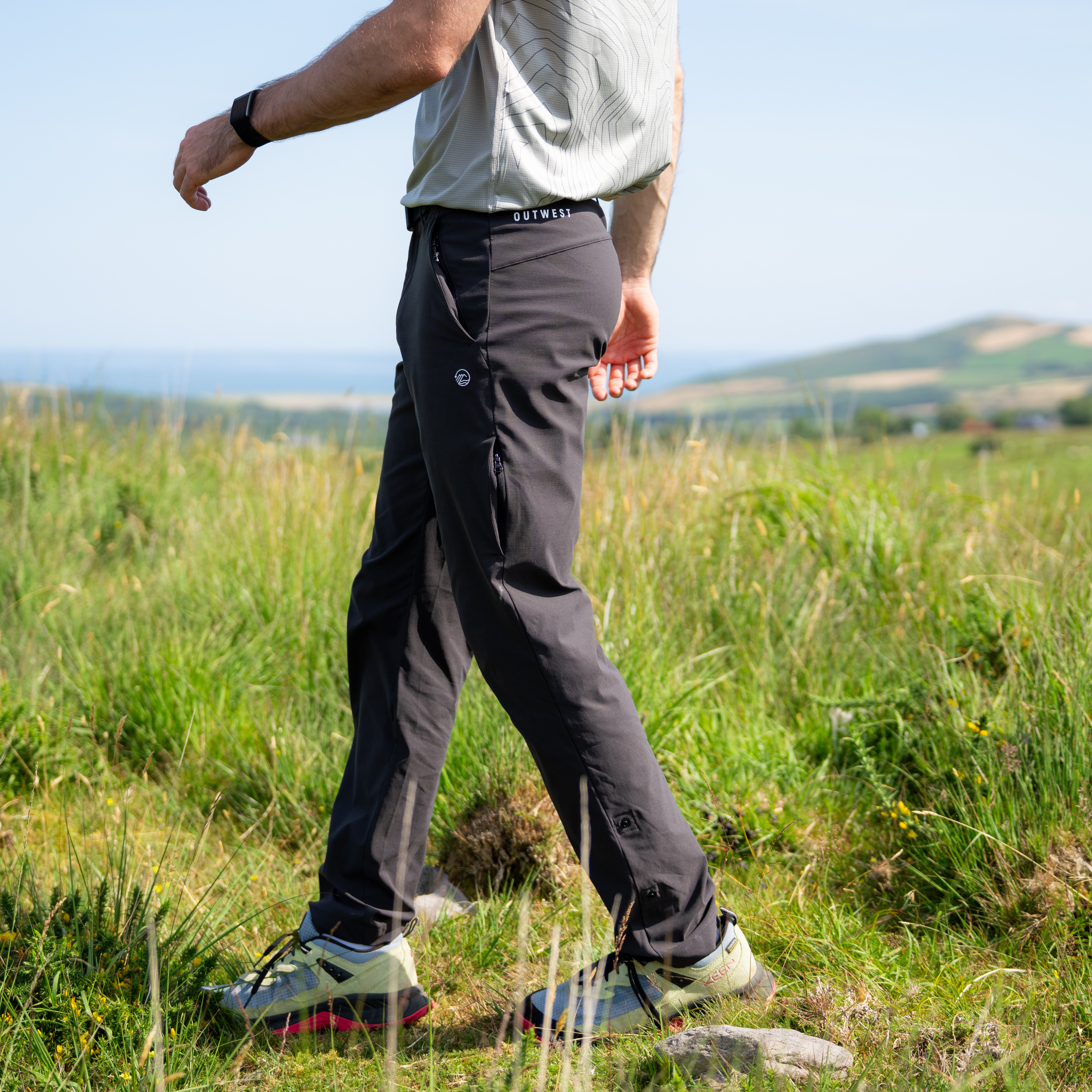
It might sound a bit backwards, but covering up can actually help keep you cooler. Choose lightweight, loose-fitting clothing that protects your skin from direct sun while still allowing plenty of airflow. A lightweight layer is ideal if the weather changes or you need a bit more protection from the sun. Wetting your top or buff with some cool water may be a nice bit of relief too.
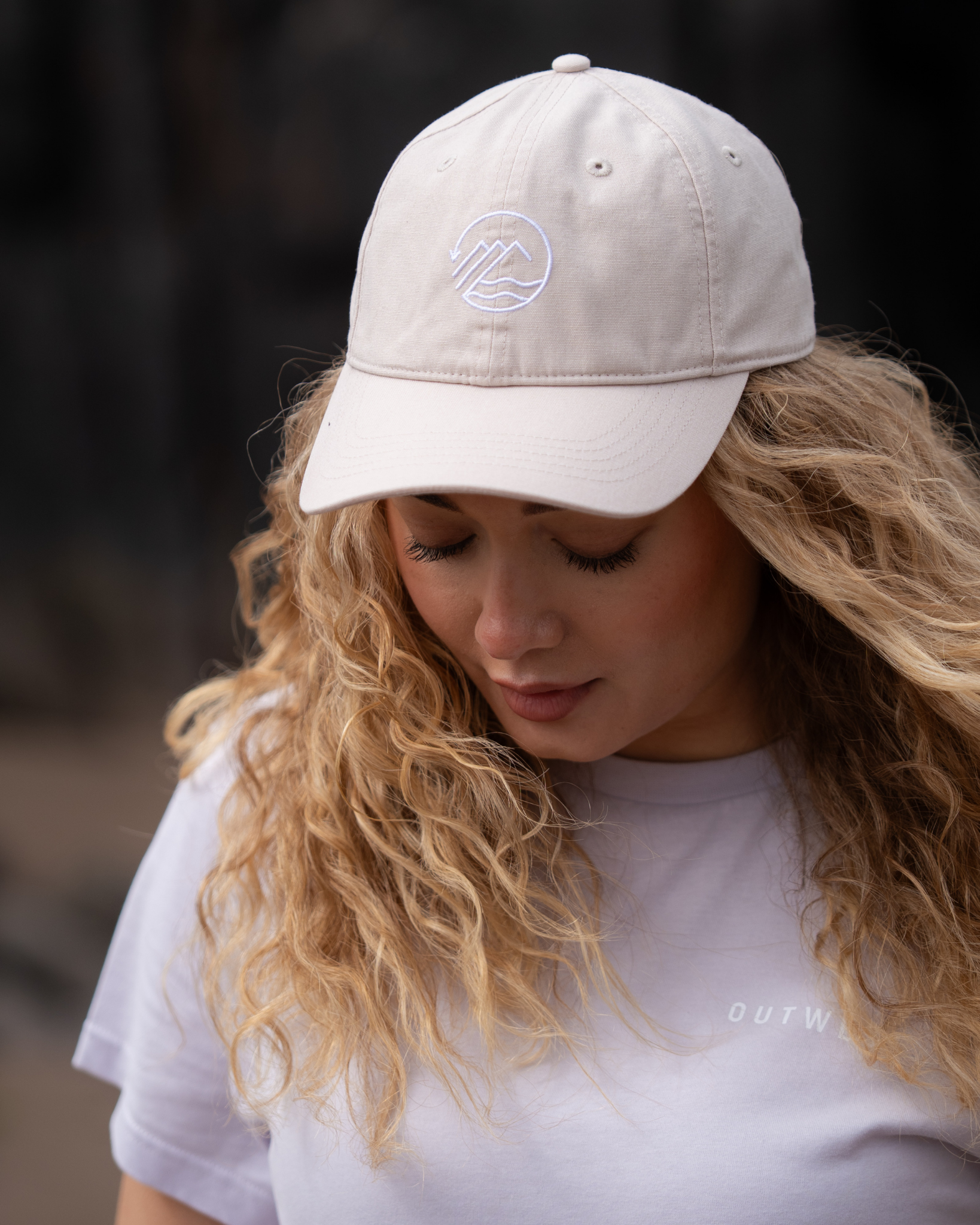
A cap is one of the simplest pieces of kit you can bring, keeping the sun off your face and eyes and protects your scalp from the sun too.
Think about your dog too!
If you're bringing your four-legged hiking buddy, remember they're feeling the heat too.
From April:
"Heat can affect dogs just as much as people. If you’re bringing your dog, consider whether it’s the right day for them at all and make sure it’s a dog friendly route."

Don't forget the basics
The heat might be the main challenge, but good hiking habits still apply.
- Tell someone where you're going and when you'll be back.
- Keep your phone fully charged.
- Bring a map and compass if you're heading somewhere remote, and know how to use them.
- A small first aid kit with rehydration salts is always worth carrying.
- If you're hiking solo regularly, a satellite tracker is a good investment.
- Pack light where possible, but don't leave behind the essentials.
- If you pass a clean stream, cooling your feet off or wetting your shirt can help bring your body temperature down.
And as always, Leave No Trace. Respect the places you're out enjoying so they're there for everyone else too. Take all rubbish with you, and if you see anything on the trails, pick it up and take it to the nearest bin.
A final reminder from ambassador April:
“Know when to call it a day. There is no summit or viewpoint worth risking your health for. If you or someone in your group is showing signs of heat exhaustion, stop, find shade, cool down and don’t push on.”
The best hike is always the one you come home from safely.
What tips would you add? Let us know below! 👇